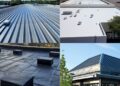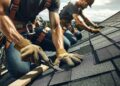

As industrial roofing waterproofing solutions take center stage, this opening passage beckons readers into a world crafted with good knowledge, ensuring a reading experience that is both absorbing and distinctly original.
Industrial roofing waterproofing is a crucial aspect of maintaining the integrity and longevity of commercial buildings. In this comprehensive guide, we will explore the importance, types of materials, application methods, and maintenance tips for industrial roofing waterproofing solutions.
Industrial Roofing Waterproofing Solutions
Industrial roofing waterproofing is crucial for protecting buildings from water damage, leaks, and structural deterioration. By applying waterproofing solutions, industrial roofs can maintain their integrity and prolong their lifespan.
Common Industrial Roofing Waterproofing Solutions
- Membrane Waterproofing: This involves applying a waterproof membrane over the roof surface to prevent water infiltration.
- Silicone Coatings: Silicone coatings create a seamless and durable barrier against water, UV rays, and extreme weather conditions.
- Elastomeric Coatings: Elastomeric coatings are flexible and stretchable, adapting to the roof's movements and preventing leaks.
Benefits of Using Waterproofing Solutions for Industrial Roofs
- Prevents Water Damage: Waterproofing solutions help prevent water infiltration, reducing the risk of structural damage and mold growth.
- Extends Roof Lifespan: By protecting the roof from water damage, waterproofing solutions can extend the lifespan of industrial roofs.
- Improves Energy Efficiency: A properly waterproofed roof can improve energy efficiency by reducing heat loss and lowering cooling costs.
Types of Waterproofing Materials
When it comes to industrial roofing waterproofing solutions, choosing the right type of waterproofing material is crucial for the longevity and effectiveness of the roof. Different types of materials are available, each with its own advantages and considerations.
Liquid-Applied Waterproofing
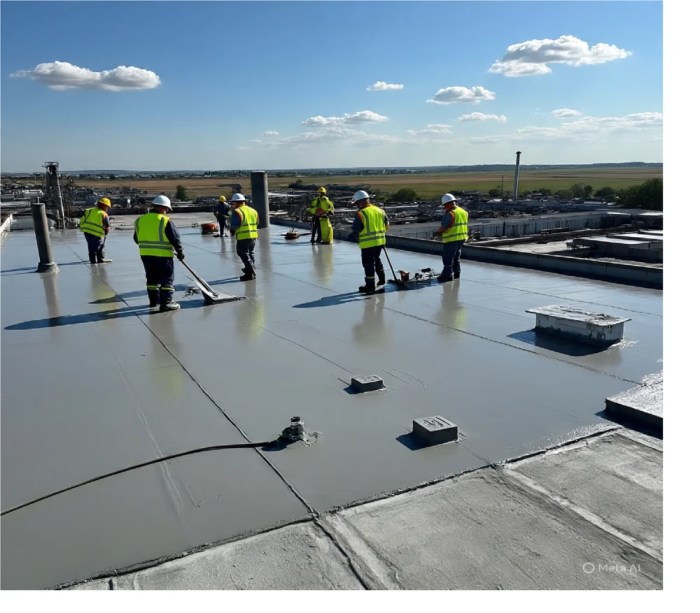
Liquid-applied waterproofing materials are typically made of a liquid resin that is applied directly onto the roof surface. These materials form a seamless membrane that provides excellent protection against water infiltration. They are easy to apply, making them ideal for irregularly shaped roofs or areas that are hard to reach.
Liquid-applied waterproofing materials are known for their flexibility and ability to withstand extreme temperatures. However, they may require more frequent maintenance and reapplication compared to other types of waterproofing materials.
Sheet Membrane Waterproofing
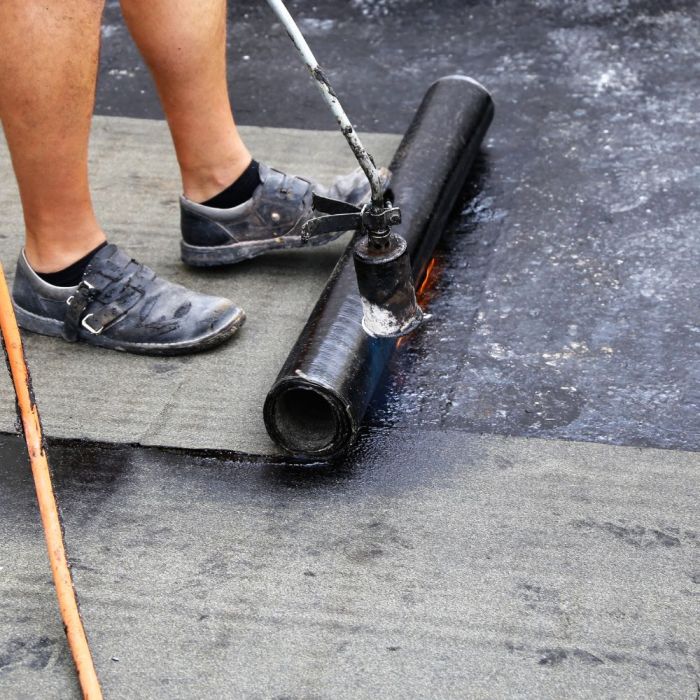
Sheet membrane waterproofing materials consist of pre-formed sheets that are laid down on the roof surface and adhered together to create a water-tight barrier. These materials are durable and provide excellent protection against water penetration. Sheet membrane waterproofing is often preferred for larger industrial roofs due to its ease of installation and long-term performance.
While they may be more expensive upfront, sheet membrane waterproofing materials are known for their longevity and require less maintenance over time compared to liquid-applied solutions.
Application Methods
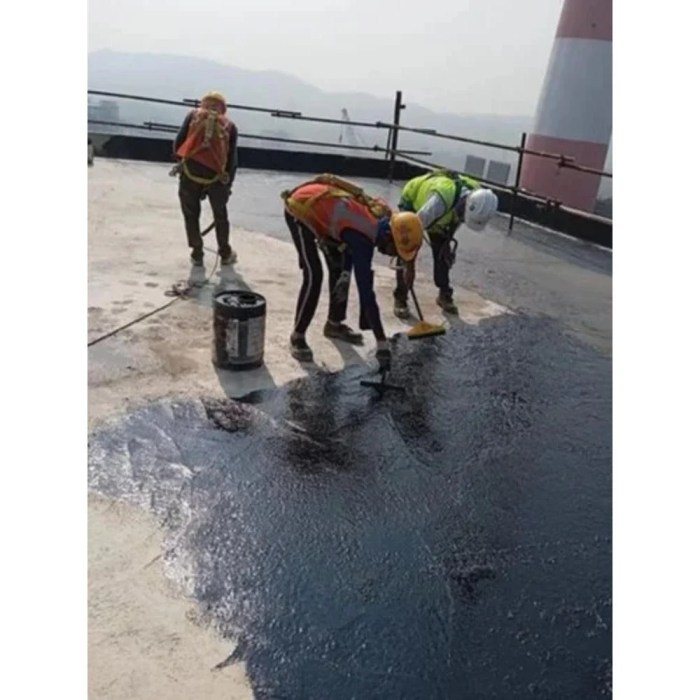
Industrial roofing waterproofing solutions require careful application to ensure long-lasting protection for the building. Proper application methods involve several key steps to guarantee the effectiveness of the waterproofing materials.
Surface Preparation
Before applying any waterproofing materials to an industrial roof, thorough surface preparation is essential. This step is crucial in ensuring the adhesion of the waterproofing products and the overall success of the application process. Surface preparation may include the following steps:
- Cleaning: Remove any dirt, debris, or loose particles from the roof surface. This can be done through pressure washing or sweeping.
- Repairing: Inspect the roof for any cracks, holes, or damage that could compromise the waterproofing. Repair these areas before proceeding with the application.
- Priming: Applying a primer can help improve the adhesion of the waterproofing material to the roof surface. Choose a primer that is compatible with the waterproofing product being used.
Proper surface preparation is essential for the success of the waterproofing application. By following these steps, you can ensure that the waterproofing materials adhere correctly to the industrial roof, providing the necessary protection against water infiltration.
Maintenance and Repair
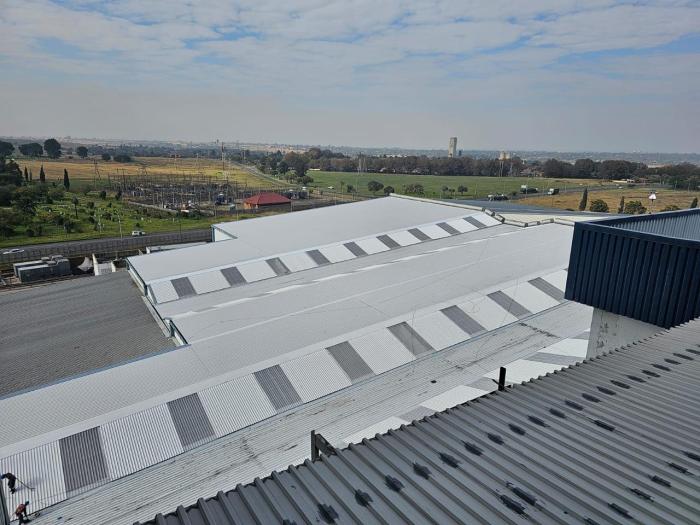
Regular maintenance for industrial roofing waterproofing is crucial to ensure the longevity and effectiveness of the waterproofing solutions. By conducting routine inspections and addressing any issues promptly, you can prevent costly damage and extend the lifespan of the roofing system.
Identifying Common Issues
- Inspect for cracks or gaps in the waterproofing membrane that may allow water infiltration.
- Check for ponding water on the roof surface, which can lead to deterioration over time.
- Look for signs of blistering or bubbling, indicating trapped moisture beneath the surface.
- Monitor for leaks or water stains on the interior ceiling, signaling a potential waterproofing problem.
Repairing Common Issues
- Seal any cracks or gaps with a waterproof sealant to prevent water penetration.
- Improve drainage systems to eliminate ponding water and reduce stress on the waterproofing membrane.
- Remove and replace any blistered or damaged sections of the waterproofing membrane to ensure proper protection.
- Address leaks promptly by identifying the source and applying appropriate patching materials.
Cost-Effectiveness of Proactive Maintenance
Regular maintenance of industrial roofing waterproofing solutions is more cost-effective in the long run compared to reactive repairs. By investing in preventive measures and addressing issues early on, you can avoid extensive damage and costly repairs down the line. Proactive maintenance helps to prolong the life of the roofing system and protect your investment in the property.
Wrap-Up
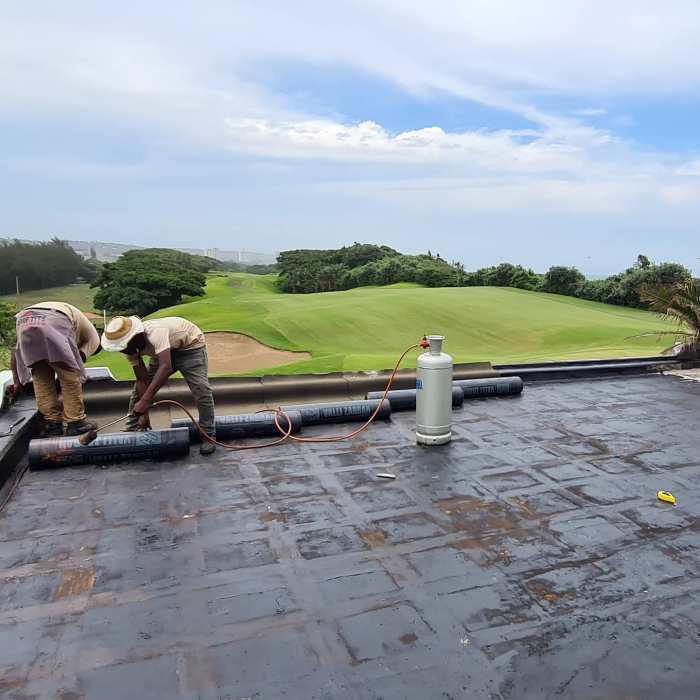
In conclusion, industrial roofing waterproofing solutions play a vital role in protecting structures from water damage and ensuring long-term durability. By understanding the different types of materials, application methods, and maintenance practices, businesses can make informed decisions to safeguard their investments.
FAQ Section
How important is industrial roofing waterproofing?
Industrial roofing waterproofing is crucial as it protects buildings from water damage, extends the lifespan of the roof, and prevents costly repairs.
What are the common industrial roofing waterproofing solutions?
Common solutions include liquid-applied coatings, sheet membranes, spray polyurethane foam, and elastomeric coatings.
How can I ensure proper application of waterproofing solutions?
Follow best practices such as surface preparation, proper material selection, and adherence to manufacturer guidelines for application.
What are the benefits of proactive maintenance for industrial roofing waterproofing?
Proactive maintenance helps identify issues early, prevents major damage, and is more cost-effective than reactive repairs.
Which type of waterproofing material is more durable- liquid-applied or sheet membrane?
Both types have their advantages, with liquid-applied coatings offering seamless protection and sheet membranes providing robust waterproofing.