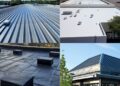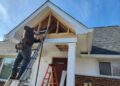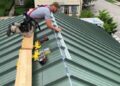

Embarking on the journey of roofing and siding installation, this introduction aims to provide a comprehensive overview of the key aspects involved in these crucial home improvement projects. From the importance of proper installation to the various materials and techniques, readers will gain valuable insights into enhancing their homes with durable and energy-efficient solutions.
Importance of Proper Roofing and Siding Installation
Proper roofing and siding installation are crucial aspects of maintaining a safe and functional building. Poor installation can lead to a variety of issues that can impact the integrity of the structure and the comfort of its occupants.
Significance of High-Quality Installation
- High-quality roofing and siding installation ensure that the building is protected from external elements such as rain, snow, wind, and UV rays.
- Proper installation can enhance the overall aesthetics of the building, increasing its curb appeal and value.
- Quality installation can also prevent water leaks, mold growth, and structural damage, prolonging the lifespan of the building.
Potential Consequences of Poor Installation
- Poor installation can result in water leaks, leading to damage to the interior of the building, including walls, ceilings, and insulation.
- Inadequate installation can compromise the structural integrity of the building, posing safety risks to its occupants.
- Improperly installed roofing and siding can decrease energy efficiency, causing higher utility bills and discomfort for those inside the building.
Improving Energy Efficiency
Proper roofing and siding installation play a significant role in improving energy efficiency in a building.
Well-installed insulation and ventilation systems can reduce heat loss in the winter and heat gain in the summer, resulting in lower energy consumption and costs.
By ensuring a tight seal and proper ventilation, buildings can maintain a consistent indoor temperature, reducing the need for heating and cooling systems to work harder to regulate comfort levels.
Types of Roofing Materials
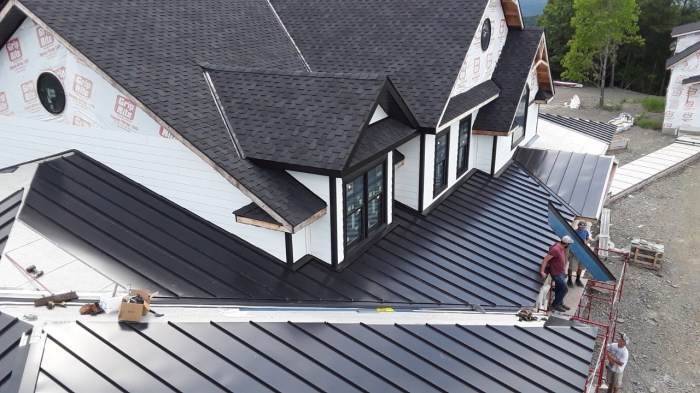
When it comes to roofing materials, there are several options available, each with its own set of characteristics that can impact durability, cost, and maintenance requirements.
Asphalt Shingles
Asphalt shingles are one of the most popular roofing materials due to their affordability and ease of installation. They come in a variety of colors and styles, making them a versatile option for many homeowners. While asphalt shingles are durable and can last up to 20-30 years, they may be more prone to damage in extreme weather conditions compared to other materials.
Metal Roofing
Metal roofing is known for its longevity and durability, often lasting 50 years or more. While metal roofing may have a higher upfront cost compared to asphalt shingles, it requires minimal maintenance and is resistant to fire, rot, and pests.
Additionally, metal roofing is lightweight and energy-efficient, making it a sustainable choice for environmentally conscious homeowners.
Tiles
Roof tiles, such as clay or concrete tiles, are a durable and long-lasting roofing option that can withstand harsh weather conditions. While tile roofs may have a higher initial cost and require professional installation, they offer excellent insulation properties and can last 50 years or more with proper maintenance.
Tiles come in a variety of colors and styles, adding a unique and elegant look to a home.Overall, when choosing between asphalt shingles, metal roofing, and tiles, it's essential to consider factors such as longevity, upfront cost, maintenance requirements, and aesthetic preferences to determine the best roofing material for your home.
Siding Options for Homes
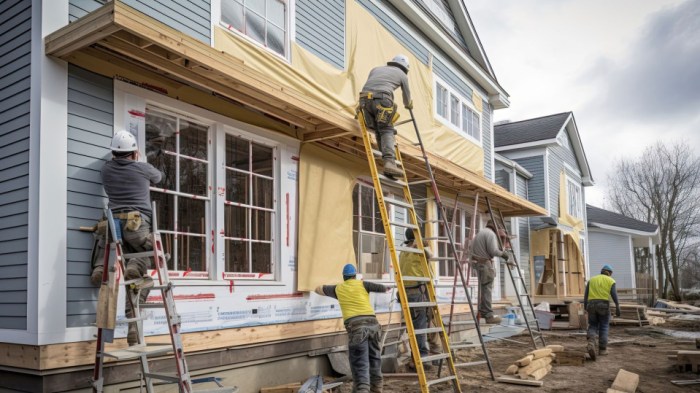
When it comes to siding options for residential buildings, there are several popular choices available. Each type of siding material has its own set of pros and cons, impacting not only the durability and maintenance of the home but also the overall aesthetics.
Vinyl Siding
Vinyl siding is a commonly used option due to its affordability and low maintenance requirements. It comes in a variety of colors and styles, making it a versatile choice for many homeowners. However, vinyl siding may not be as durable as other materials and can fade over time.
Wood Siding
Wood siding provides a classic and natural look to a home. It is a renewable resource and can be easily painted or stained to match the homeowner's preferences. However, wood siding requires more maintenance, such as regular painting and sealing, to prevent rot and decay.
Fiber Cement Siding
Fiber cement siding is a durable option that is resistant to fire, insects, and rot. It can mimic the look of wood or masonry without the same level of maintenance. However, fiber cement siding can be more expensive upfront compared to other materials.
Metal Siding
Metal siding, such as aluminum or steel, is known for its strength and longevity. It is resistant to rot, fire, and insects, making it a low-maintenance option for homeowners. However, metal siding can dent easily and may not offer as much insulation as other materials.
Installation Techniques for Roofing
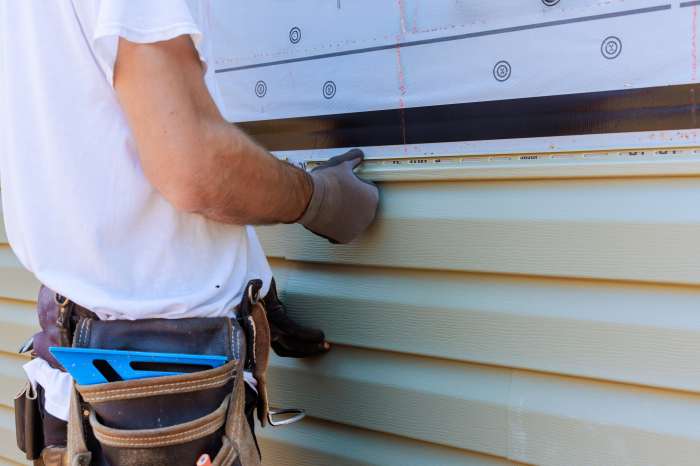
Installing a new roof is a complex process that requires careful planning and execution. It is essential to follow the correct techniques to ensure a durable and long-lasting roof for your home.
Step-by-Step Process
- 1. Inspection and Preparation: Before starting the installation, the existing roof must be inspected for any damage or issues. The area should be cleared of debris and properly prepped.
- 2. Underlayment Installation: The underlayment is crucial for providing an additional layer of protection against moisture. It is installed before the roofing material.
- 3. Roofing Material Installation: The chosen roofing material is then installed according to the manufacturer's instructions. This can include shingles, tiles, or metal sheets.
- 4. Flashing and Edging: Flashing is applied to prevent water from seeping into vulnerable areas, such as around chimneys or vents. Proper edging helps to seal the edges of the roof.
- 5. Finishing Touches: The final steps involve ensuring all components are properly secured and sealed. This includes ridge caps, trim pieces, and any necessary sealants.
Importance of Ventilation and Insulation
Proper ventilation and insulation play a crucial role in maintaining the integrity of your roof. Without adequate ventilation, heat and moisture can build up in the attic, leading to mold growth and structural damage. Insulation helps regulate temperature and reduce energy costs.
Safety Measures for Roofing Installers
- 1. Use of Personal Protective Equipment (PPE): Installers should wear appropriate safety gear, including helmets, gloves, and harnesses.
- 2. Fall Protection: Safety measures such as guardrails, safety nets, or harness systems should be in place to prevent falls from heights.
- 3. Proper Ladder Usage: Ensure ladders are stable and secure before climbing. Never overextend or lean to the side while on a ladder.
- 4. Weather Awareness: Roofing should not be done in inclement weather conditions, such as high winds or rain, to prevent accidents.
Best Practices for Siding Installation
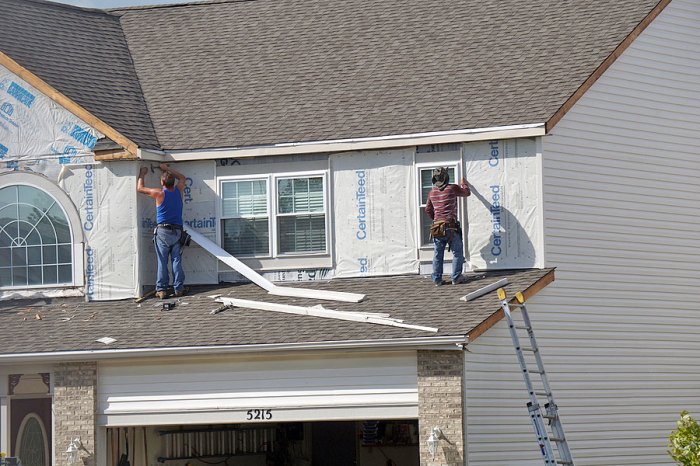
When it comes to siding installation, following the best practices is crucial to ensure a successful and long-lasting result. Proper installation not only enhances the appearance of your home but also protects it from the elements.
Key Steps in the Installation of Various Siding Materials
- Prepare the exterior wall by cleaning it thoroughly and repairing any damage.
- Measure and cut the siding material accurately to fit the wall dimensions.
- Install flashing around windows, doors, and corners to prevent water infiltration.
- Secure the siding panels or planks using the appropriate fasteners and techniques.
- Finish the installation by caulking joints and seams for added protection.
How to Prepare the Exterior Wall for Siding Installation
- Remove any existing siding material and inspect the wall for damage.
- Repair or replace any rotten or damaged areas to ensure a smooth surface.
- Clean the wall thoroughly to remove dirt, debris, and any mold or mildew.
- Apply a weather-resistant barrier or house wrap to provide an extra layer of protection.
Common Mistakes to Avoid During the Siding Installation Process
- Skipping the preparation process, leading to poor adhesion and potential damage.
- Using incorrect fasteners or installation techniques that compromise the siding's integrity.
- Not properly sealing joints and seams, allowing water infiltration and moisture damage.
- Ignoring manufacturer guidelines and specifications for the siding material being installed.
Maintenance Tips for Roofing and Siding
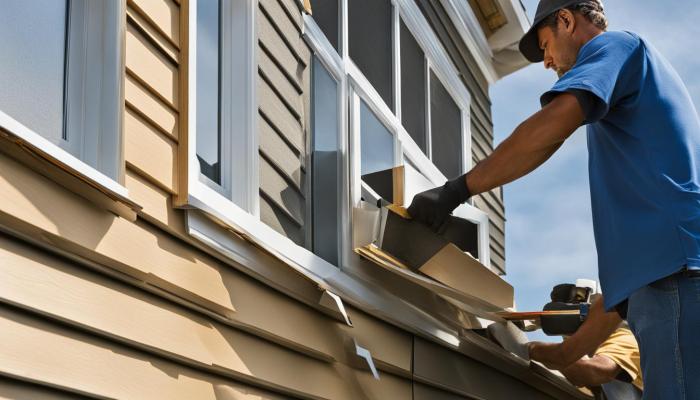
Proper maintenance of roofing and siding is essential to ensure their longevity and protect your home from potential damage.
Practical Advice for Maintaining Roofing Materials
- Regularly inspect the roof for any signs of damage or wear, such as missing shingles or leaks.
- Clean the gutters and downspouts to prevent water buildup and potential water damage.
- Trim overhanging branches to prevent debris from accumulating on the roof.
- Consider applying a protective coating to extend the lifespan of the roofing materials.
Tips for Inspecting and Cleaning Siding
- Inspect the siding for any cracks, holes, or signs of moisture damage.
- Clean the siding regularly with a mild detergent and a soft brush to remove dirt and grime.
- Check for mold or mildew growth and treat it promptly to prevent further damage.
- Consider applying a protective sealant to maintain the appearance and integrity of the siding.
Importance of Regular Inspections
Regular inspections of both the roofing and siding are crucial to identify any issues early on and address them before they escalate. By conducting routine maintenance and inspections, homeowners can prevent costly repairs and extend the lifespan of their roofing and siding materials.
Closing Notes
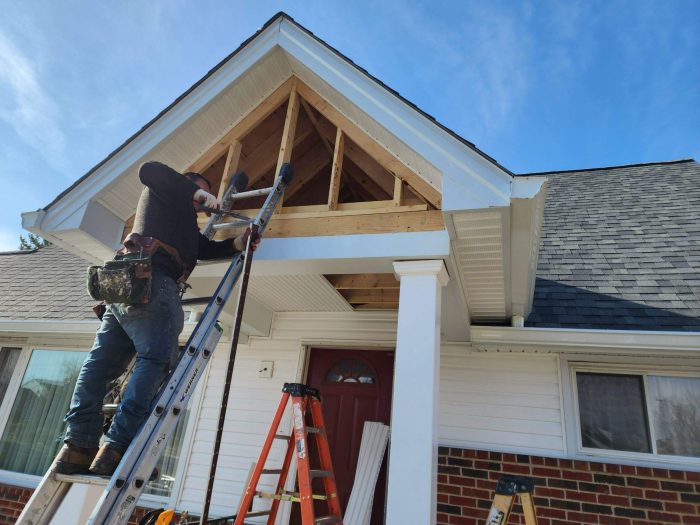
Concluding our discussion on roofing and siding installation, it is evident that attention to detail and quality workmanship are essential for long-lasting and visually appealing results. By following best practices and staying proactive with maintenance, homeowners can ensure the integrity and beauty of their properties for years to come.
FAQ Summary
What are the potential consequences of poor roofing and siding installation?
Poor installation can lead to water leaks, energy inefficiency, structural damage, and costly repairs down the line.
How does the choice of siding material impact the aesthetics of a home?
The siding material chosen can significantly influence the overall look and curb appeal of a home, ranging from traditional to modern styles.
What maintenance tips can help prolong the lifespan of roofing materials?
Regular inspections, prompt repairs, and cleaning debris off the roof can all contribute to extending the longevity of roofing materials.