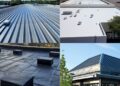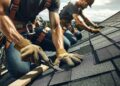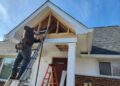

Exploring the world of metal roof repair contractors, this introduction sets the stage for a deep dive into the importance of hiring professionals for your roofing needs. From the risks of DIY repairs to the benefits of expert services, this overview covers it all.
In the subsequent paragraph, we will delve into the qualities to look for in metal roof repair contractors and why they matter in ensuring a job well done.
Importance of Metal Roof Repair Contractors
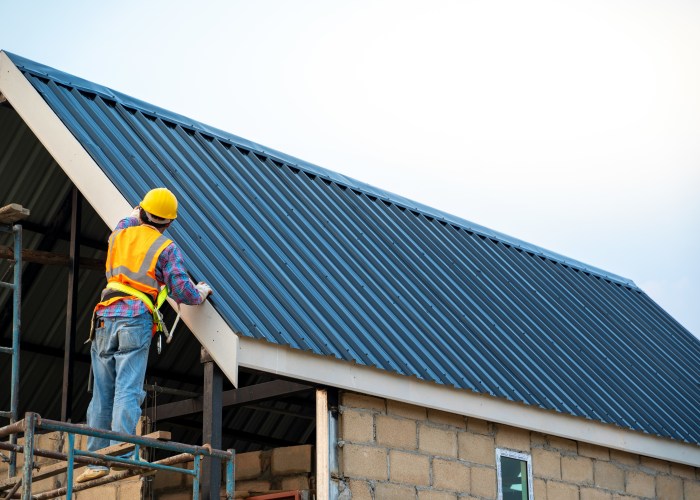
Metal roofs are durable and long-lasting, but they still require maintenance and repairs over time. Hiring specialized metal roof repair contractors is crucial for ensuring the longevity and performance of your roof.
Benefits of Choosing Professionals
- Expertise: Metal roof repair contractors have the necessary skills and experience to properly assess and fix any issues with your roof.
- Quality Workmanship: Professionals use high-quality materials and follow industry best practices to ensure long-lasting repairs.
- Safety: Working on a metal roof can be dangerous, so it's best to leave repairs to trained professionals who have the right safety equipment.
Risks of Improper Repairs
- Leaks: Improper repairs can lead to water leaks, causing damage to the interior of your home.
- Structural Damage: If repairs are not done correctly, it can result in structural damage to your roof, compromising its integrity.
- Voided Warranty: DIY repairs or hiring inexperienced contractors may void the warranty on your metal roof, leaving you responsible for any future issues.
When hiring metal roof repair contractors, it is essential to consider certain qualities to ensure the job is done efficiently and effectively. Here are some key characteristics to look for:
Experience, Certifications, and Licenses
Having experience in metal roof repair is crucial as it demonstrates the contractor's familiarity with the specific requirements of working on metal roofs. Additionally, certifications and licenses indicate that the contractor has met certain industry standards and regulations. Make sure to inquire about their experience, certifications, and licenses before making a decision.
Reputation and Customer Reviews
Checking the reputation and customer reviews of metal roof repair contractors can provide valuable insights into their work quality and professionalism. Look for contractors with positive reviews and a solid reputation in the industry. You can also ask for references or samples of their previous work to gauge their expertise.
Insurance Coverage and Warranties
Insurance coverage is essential when selecting a metal roof repair contractor to protect both parties in case of accidents or damages during the repair process. Additionally, warranties on the repair work ensure that you are covered in case any issues arise after the job is completed.
Always verify the contractor's insurance coverage and warranty policies before hiring them.
Common Metal Roof Problems
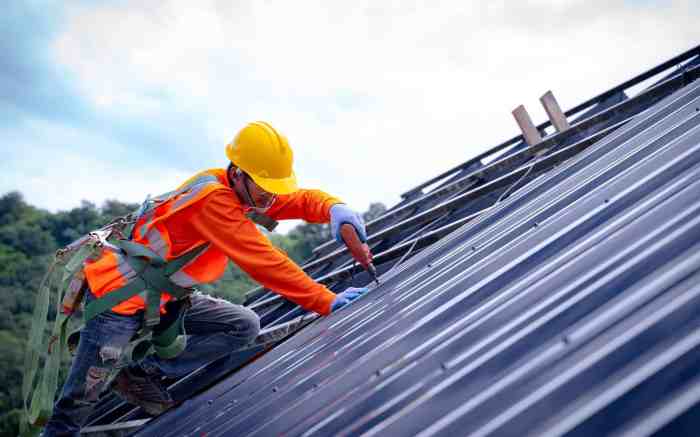
Metal roofs are known for their durability, but they are not immune to issues over time. Here are some common problems that metal roofs may encounter:
Rust and Corrosion
Metal roofs are susceptible to rust and corrosion, especially if they are not properly maintained or if they have been exposed to harsh weather conditions. Signs of rust and corrosion include discolored patches on the roof and flaking paint.
Leaking
Leaking is a common issue with metal roofs and can be caused by damaged or improperly installed flashing, loose seams, or holes in the roof. Homeowners may notice water stains on the ceiling or walls, as well as water dripping into the house during heavy rain.
Denting and Punctures
Metal roofs can be dented by falling branches, hail, or other debris, leading to potential punctures in the roof. These dents and punctures can compromise the integrity of the roof and result in leaks if not addressed promptly.
Noise
Metal roofs are often noisier than other roofing materials, especially during heavy rain or hailstorms. While some noise is normal, excessive noise could indicate loose fasteners or improper installation, which may need to be corrected.
Expansion and Contraction
Metal roofs expand and contract with changes in temperature, which can lead to loosened fasteners, gaps, and leaks over time. Proper installation and maintenance can help mitigate the effects of expansion and contraction on the roof.
Weathering
Weather conditions such as extreme heat, cold, wind, and UV exposure can impact the lifespan of a metal roof. Over time, these elements can cause the roof to fade, peel, or deteriorate, requiring repairs or replacement.Keep an eye out for these signs of damage to your metal roof, and address any issues promptly to ensure the longevity and performance of your roof.
Repair Techniques and Materials
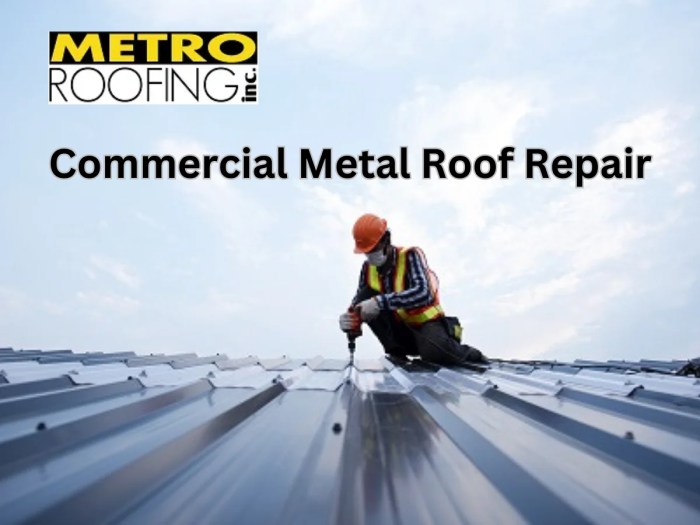
Metal roof repair contractors employ various techniques and materials to ensure the durability and longevity of metal roofs. Understanding the different repair methods and materials used can help property owners make informed decisions when it comes to maintaining their metal roofs.
Repair Techniques
- Sealant Application: One common repair technique involves applying sealant to areas where leaks or corrosion may be present. This helps prevent water infiltration and extends the lifespan of the roof.
- Patch Repair: Contractors may use patches made of compatible metal materials to cover holes or damaged sections of the roof. This method is effective in addressing localized damage.
- Replacement of Metal Panels: In cases where the damage is extensive, contractors may opt to replace entire metal panels to restore the integrity of the roof.
Materials Used
- Metal Flashing: Contractors often use metal flashing to reinforce vulnerable areas such as roof valleys, chimneys, and skylights. This material helps prevent water penetration and enhances the roof's resistance to leaks.
- Coatings: Protective coatings are applied to metal roofs to enhance their durability and weather resistance. These coatings can also improve the roof's energy efficiency by reflecting sunlight.
- Compatible Metal Panels: When replacing damaged sections of the roof, contractors use metal panels that match the existing roof material to maintain a uniform appearance.
Pros and Cons
- Sealant Application:Pros - Cost-effective, easy to apply. Cons - May require frequent reapplication, temporary solution for minor damage.
- Patch Repair:Pros - Effective for localized damage, relatively affordable. Cons - May not be suitable for extensive damage, visible patch may affect aesthetics.
- Replacement of Metal Panels:Pros - Ensures complete repair of extensive damage, restores roof integrity. Cons - Costlier than other repair methods, may disrupt roof appearance.
Last Word
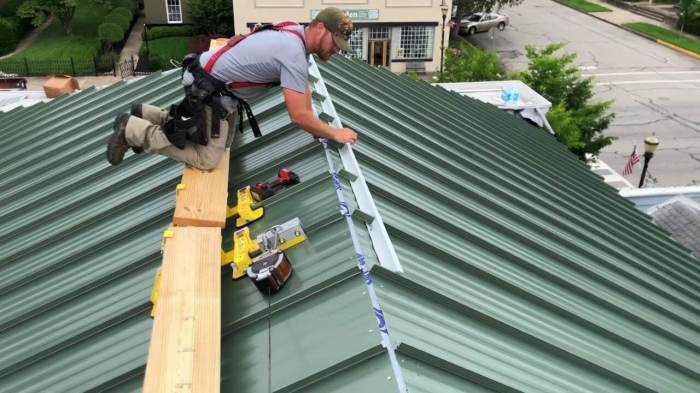
As we wrap up our discussion on metal roof repair contractors, remember that choosing the right professionals can make all the difference in the longevity and effectiveness of your roof repairs. Trust in experts for a job well done.
FAQs
What are the benefits of hiring specialized metal roof repair contractors?
Specialized contractors bring expertise, efficiency, and quality workmanship to ensure your metal roof is repaired correctly.
How do weather conditions affect the lifespan of a metal roof?
Extreme weather can cause wear and tear on metal roofs, potentially leading to premature damage if not addressed promptly.
What types of materials are commonly used in metal roof repairs?
Materials such as metal panels, sealants, flashing, and coatings are often used by contractors for metal roof repairs.
Why is insurance coverage important when selecting a metal roof repair contractor?
Insurance coverage provides protection in case of accidents or damages that may occur during the repair process, giving you peace of mind.